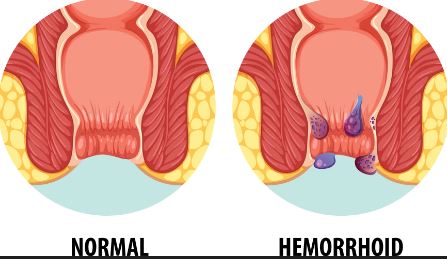
Piles, is a condition in which the veins around the anus and rectum become swollen. This can cause discomfort, itching, pain while sitting, and difficulty during bowel movements. It is a common problem and can affect both men and women.
One of the main causes of piles is constipation. When a person strains while passing stool, extra pressure builds on the veins, leading to swelling. A diet low in fiber, drinking very little water, sitting for long hours, lack of exercise, and eating too much spicy or oily food can also contribute to this condition. In some cases, piles can occur during pregnancy because of increased pressure in the abdominal area. The symptoms of piles start gradually. A person may feel discomfort or irritation while passing stool. Sometimes there may be itching, mild pain, or a feeling that the bowel is not fully cleared. These symptoms may seem small at first, but they should not be ignored. The good news is that piles can be prevented and managed with healthy habits. Drinking enough water and eating fiber-rich foods such as fruits, salads, whole grains, and vegetables helps soften the stool and makes bowel movements easier. Regular walking and light exercise improve digestion and reduce pressure on the veins. It is important to avoid sitting for too many hours at one place and to reduce very spicy, oily, or junk foods. If the problem continues or becomes uncomfortable, it is important to consult a doctor. Doctors may provide safe medicines, soothing treatments, and guidance that help reduce symptoms and support healing. Most people recover well when they follow proper advice and adopt a healthier routine. In conclusion, piles is a common but manageable condition. With good eating habits, enough water intake, regular activity, and timely medical advice, anyone can control and prevent this problem. Awareness and early care play a key role in maintaining digestive health and overall well-being.